Custom Wood Window Sills, Built to Order in Hardwood
A hardwood window sill machined to your own opening to the nearest 1/16″, in eleven species — profiled on the edge you choose, and priced before you order.
Choosing the wood: eleven hardwood species
The species decides more than the colour. Grain pattern, hardness, how evenly the wood takes a stain and how it behaves in a sunlit window all differ — and a window sill is one of the few pieces of trim people actually touch and set things on. Choose for the room and for the wear it will get, then choose the finish.
Four species cover most orders. White oak for contemporary rooms, straight open grain that takes grey-toned stains without going orange. Walnut where a dark sill is wanted, rich enough to need no stain at all. Cherry for traditional work, smooth and close-grained, deepening with sunlight over its first year. Brown maple where the sill will be heavily stained or painted, because its tight grain takes colour evenly.
Beyond those: hard maple for a very pale clean edge, hickory for a high-contrast rustic board, oak and quarter-sawn oak for traditional grain and ray fleck, and the character grades where the sill should look reclaimed rather than uniform.
Every sill is machined to the actual jamb-to-jamb measurement of your opening, in inches and sixteenths, with the depth, the returns and the edge profile all specified by you. Pick a species below and the configurator opens with that wood already filtered.
Pick a species to start
Tap Configure on any species and the wizard opens with that wood already filtered, so you are choosing a finish rather than starting from all ninety-five.
White Oak
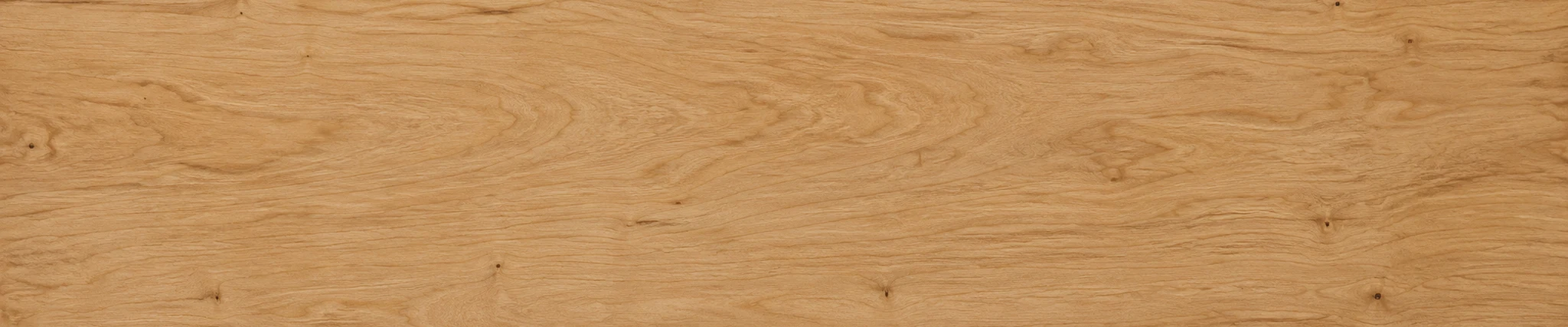
The most requested species for contemporary work. Straight, open grain and a pale base that takes natural oils and grey-toned stains without going orange. Hard-wearing, which matters on a sill people set things on.
Configure nowWalnut
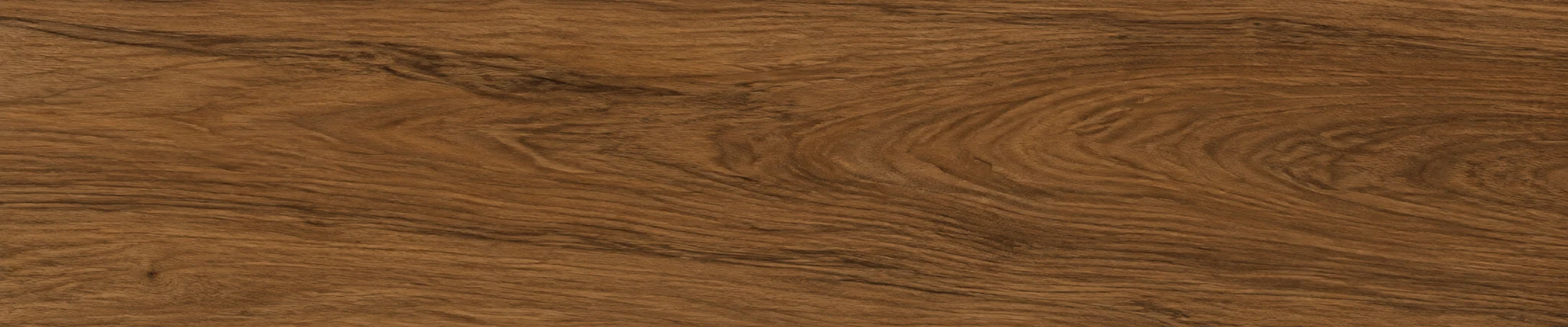
Deep chocolate-brown heartwood with a fine, even grain. The premium choice for a dark sill — it needs no stain to read as rich. Softer than oak, so best where it will not be knocked.
Configure nowCherry
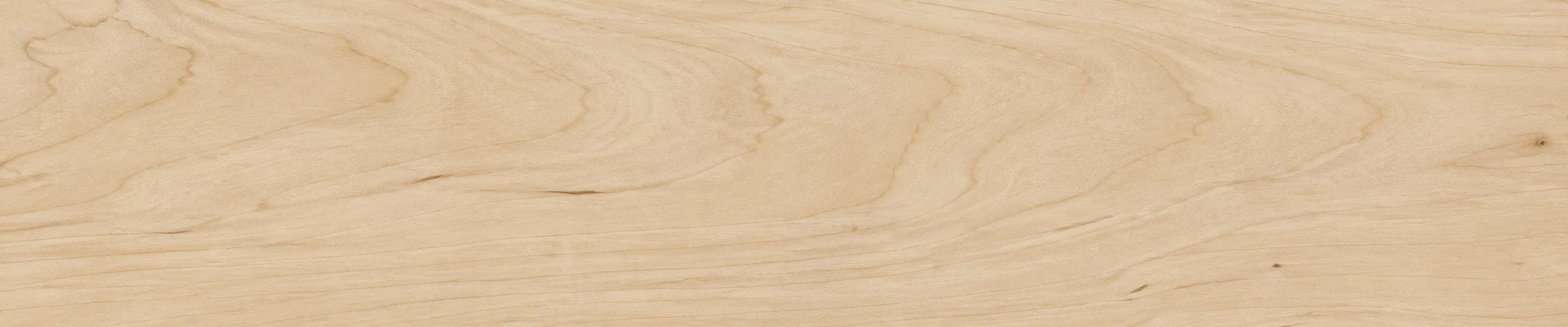
Smooth, close grain that starts light and darkens with age and sunlight — a sill in a bright window deepens noticeably over its first year. Traditional and warm.
Configure nowBrown Maple
The most economical hardwood and the most versatile under stain, because its tight grain takes colour evenly. Where a painted or heavily stained sill is planned, this is usually the sensible substrate.
Configure nowHard Maple
Denser and paler than brown maple, with a subtle grain. Chosen where a very light, clean sill is wanted and durability matters.
Configure nowHickory
The hardest of the group, with dramatic variation between pale sapwood and dark heartwood in the same board. A rustic, high-contrast look — not a quiet sill.
Configure nowOak & Quarter Oak
Traditional red oak with pronounced grain, and quarter-sawn oak for the medullary ray fleck associated with Craftsman and Mission work.
Configure nowCharacter grades
Wormy maple carries mineral streaks and small worm tracks; sap cherry mixes pale sapwood with darker heartwood; elm has an interlocking grain. For a sill that should look reclaimed rather than uniform.
Configure nowHardwood sills in place
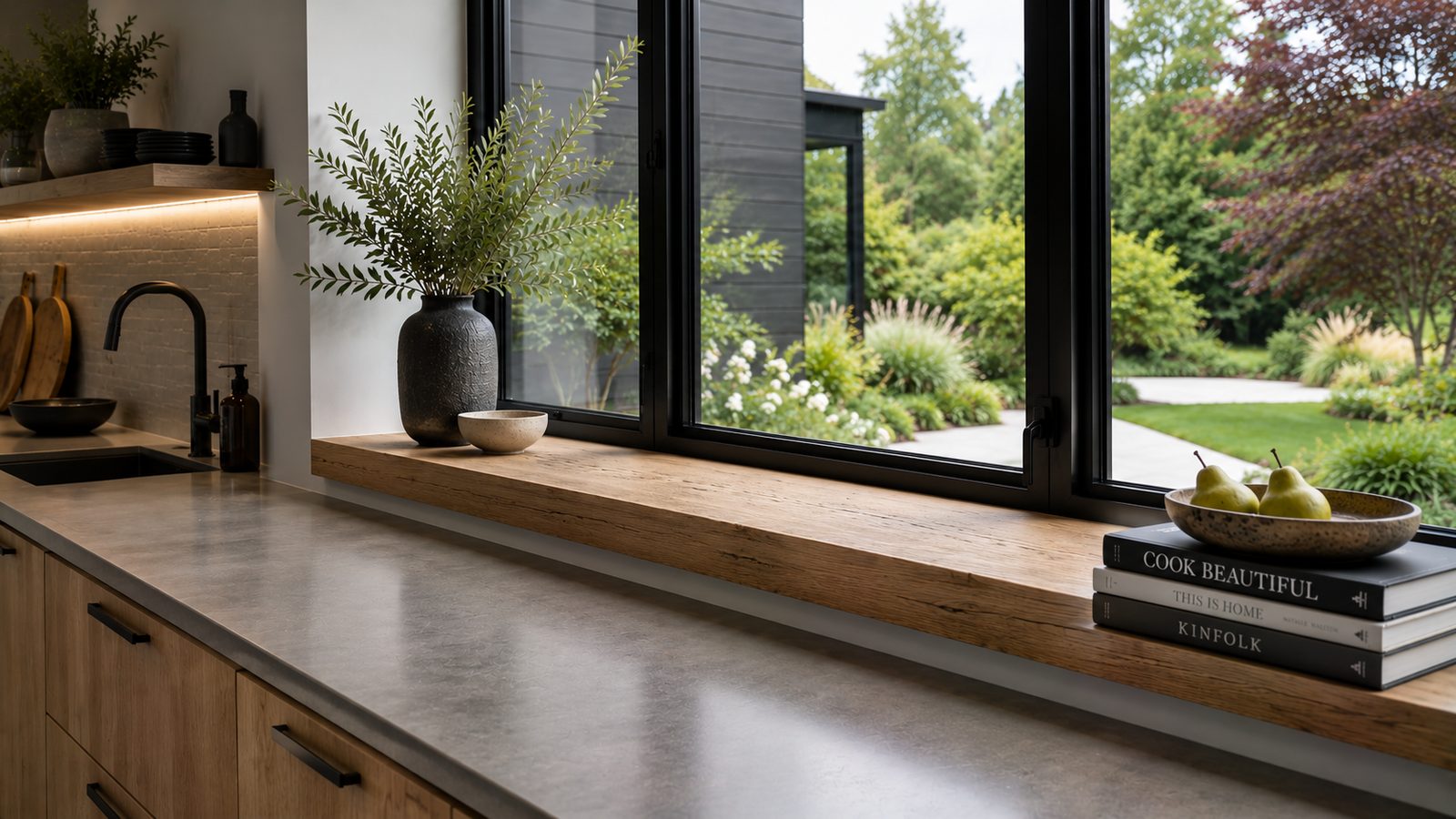
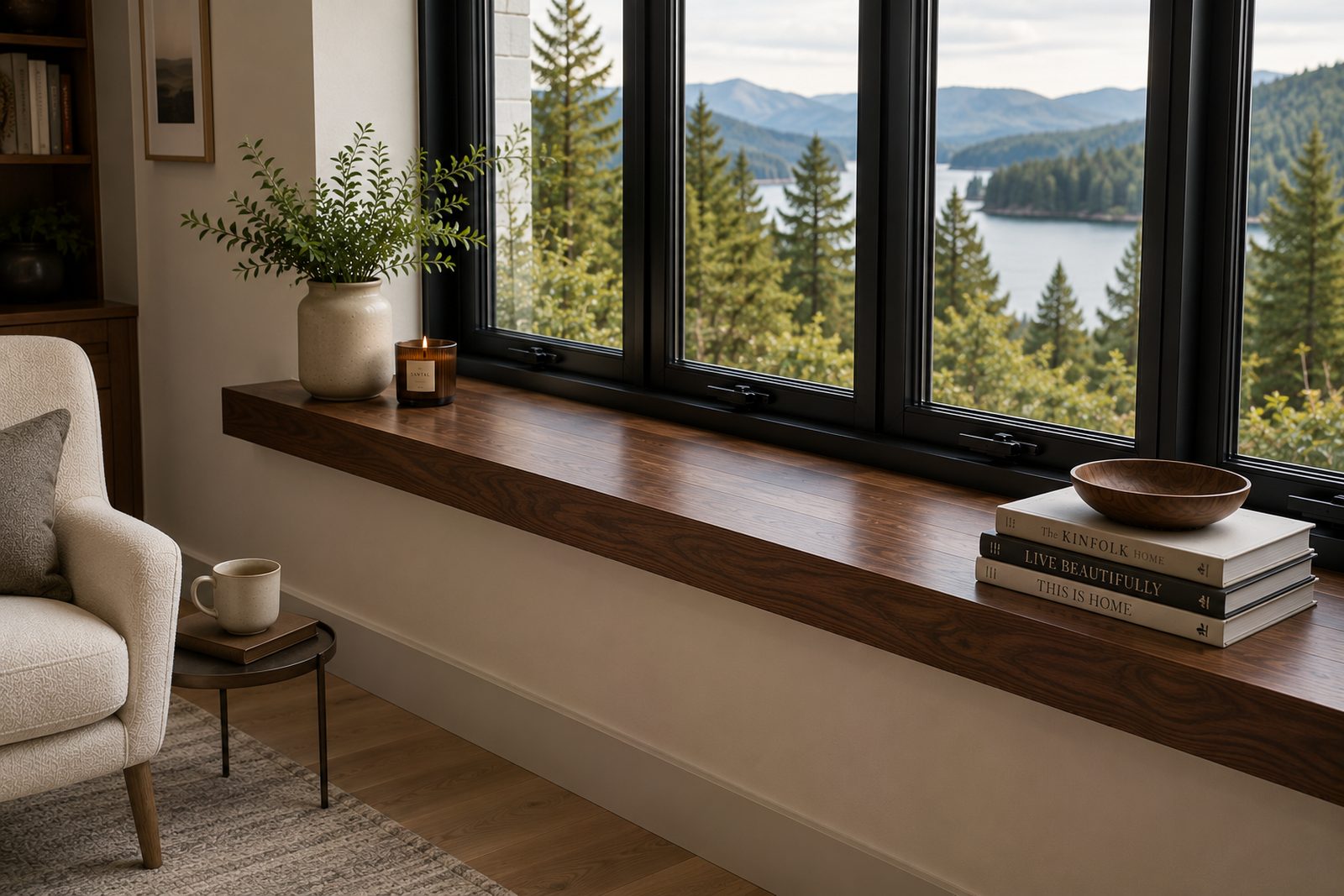
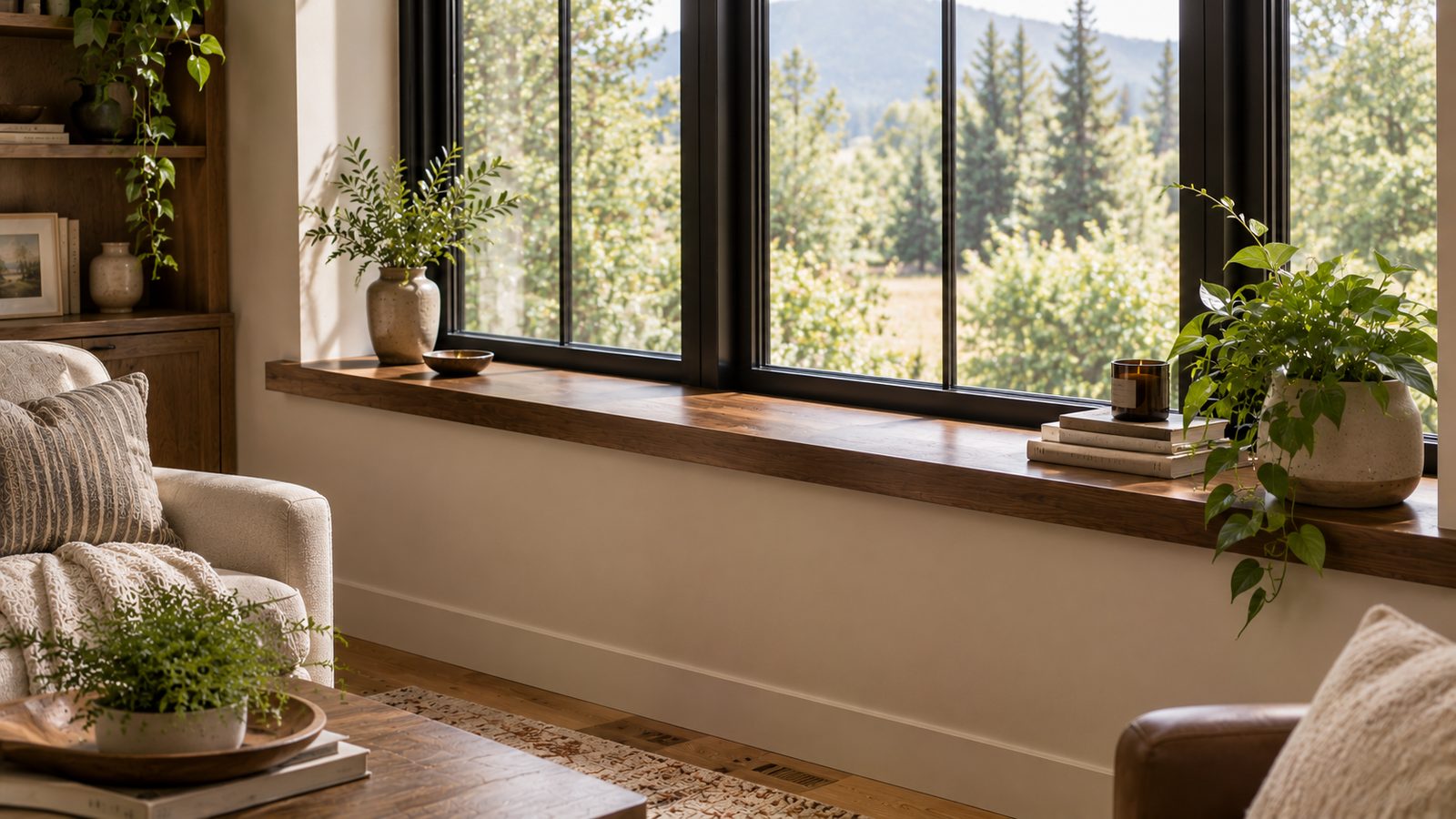
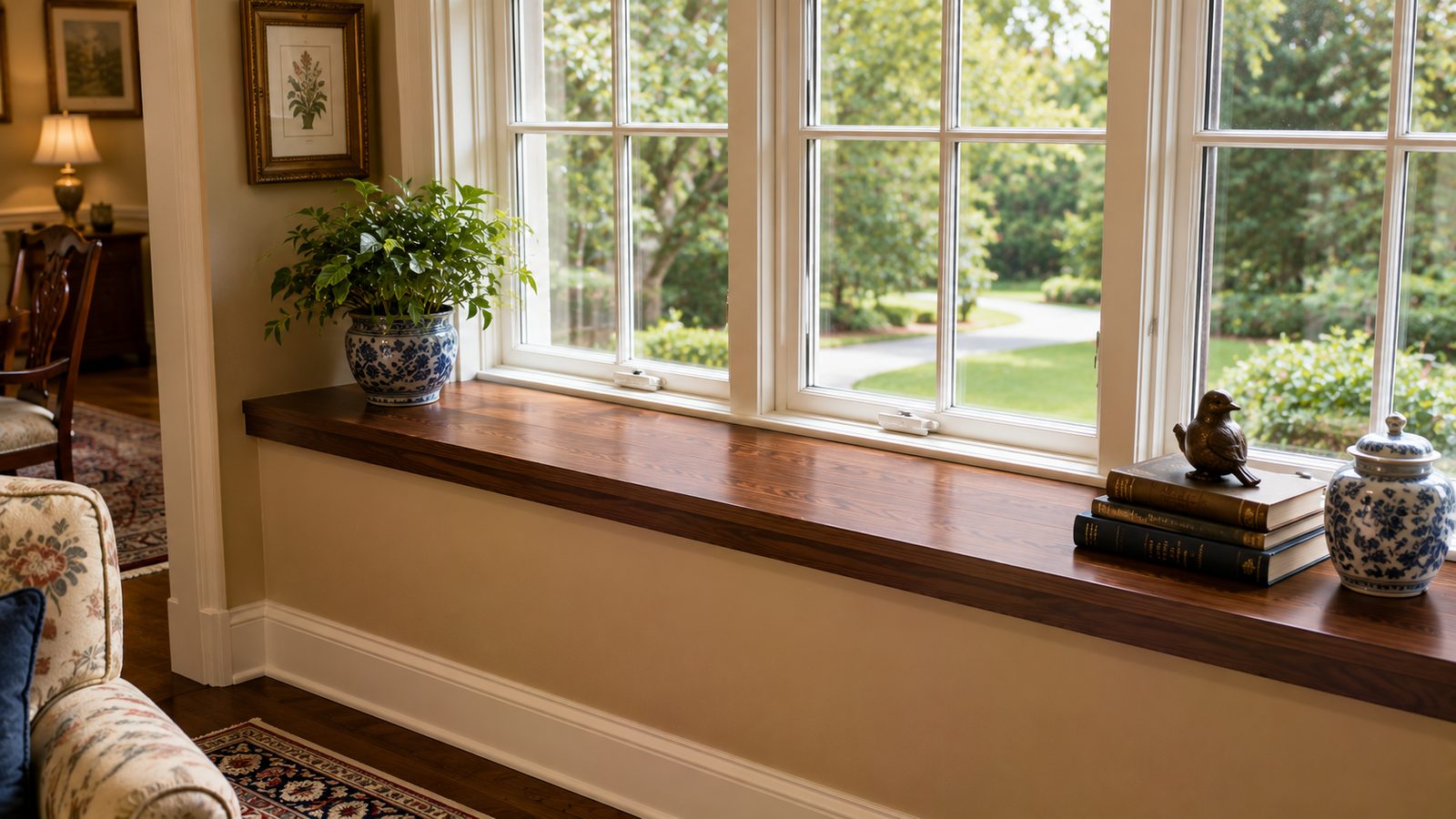
Grain, hardness and how each species takes a stain all differ — so the right choice depends as much on the room as on the colour.
Popular hardwood finishes
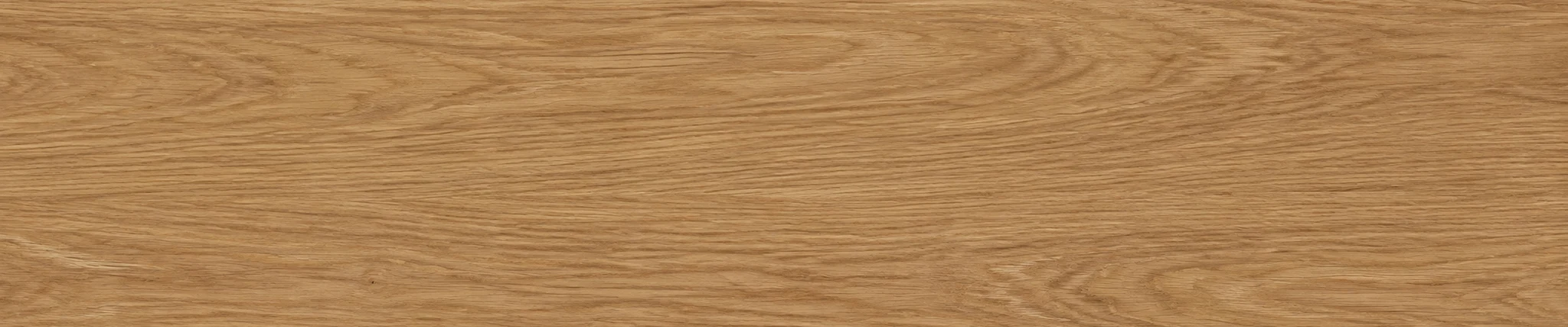
Four of the most requested species, each shown in its natural finish. These are the same photographed boards the configurator maps onto your own piece.
Hardwood window sill sizes and thickness
Wood sills are made to your measurements rather than to a size chart.
| Dimension | How it works |
|---|---|
| Length | Jamb to jamb, entered to 1/16". The cut list takes 1/16" off each side as a reveal so the piece drops into an out-of-square opening. 18" to 144". |
| Depth | Wall face to window frame, plus whatever projection you want into the room. |
| Eared returns | How far the ends run past the opening. 2½" is typical; set to zero for a flush cut. |
| Thickness & build-up | A laminated build-up edge lets a 3/4" slab read as 1½", 2½", 3" or 4" from the front. |
| Multiple openings | A mulled run of two or three windows is cut as one continuous piece with the interior jambs notched in. |
Edge profiles on hardwood
All six profiles can be machined into a hardwood sill: eased, bevel, radius, cove, ogee and Roman ogee. On open-grained species like oak and hickory a deeper profile such as ogee shows the grain running through the curve, which is part of the appeal. On tight-grained maple the shape reads cleanly at any depth. See all six edge profiles explained →
Wood or solid surface?
Hardwood suits rooms where the sill is meant to be seen as woodwork — matching trim, casing or cabinetry. Solid surface suits wet rooms, south-facing windows with heavy sun, and anywhere a seamless colour match matters more than grain. Read the full comparison →
Your hardwood sill, drawn to size.Set the size, pick the finish, and see the exact piece before you order it.
Configure Now →Frequently asked
Can you match my existing trim?
Usually. Send a photo and, if you can, a small offcut. Matching species is straightforward; matching an aged finish is closer to colour-matching than to picking a stain from a list.
Will a wood sill warp in a sunny window?
A properly dried, finished hardwood sill is stable in normal interior conditions. In a south-facing window with all-day direct sun, or over a radiator, solid surface is the safer specification.
Do you finish the sill or does it arrive raw?
Sills ship finished in the stain you select. The finish schedule is printed on the spec sheet that comes with your order.
What is the minimum and maximum length?
The configurator accepts openings from 18" up to 144". Longer runs are quoted as a multi-piece assembly with a specified joint location.
Related guides
Ready to Build Your Sill?
Eight steps, a live drawing, and a firm quote in one business day.